When it comes to hair removal, many are seeking more permanent solutions to reduce the time and effort spent on grooming. This article will delve into various methods of permanent hair removal, addressing their effectiveness, safety, and the specific mechanisms behind each technique. As we navigate through the intricacies of hair removal options, you will discover what works best for different hair and skin types. The importance of understanding these methods cannot be underestimated, especially if you’re searching for lasting results that can enhance your confidence and convenience in daily life. Let’s embark on this journey through the world of permanent hair removal!

Understanding Permanent Hair Removal
Permanent hair removal involves techniques designed to eliminate hair follicles to prevent future hair growth effectively. Unlike temporary methods such as shaving or waxing, which provide short-term solutions, these treatments focus on long-lasting results. Understanding this distinction is crucial for anyone considering a switch to a permanent removal option. The result is a smoother skin surface that could last for years, or in some cases, may require only occasional touch-ups. By utilizing various technologies, these methods cater to diverse skin types and hair colors, making it a versatile approach for many individuals. It is essential to explore these options to find the best fit for your unique needs.
How Permanent Hair Removal Works
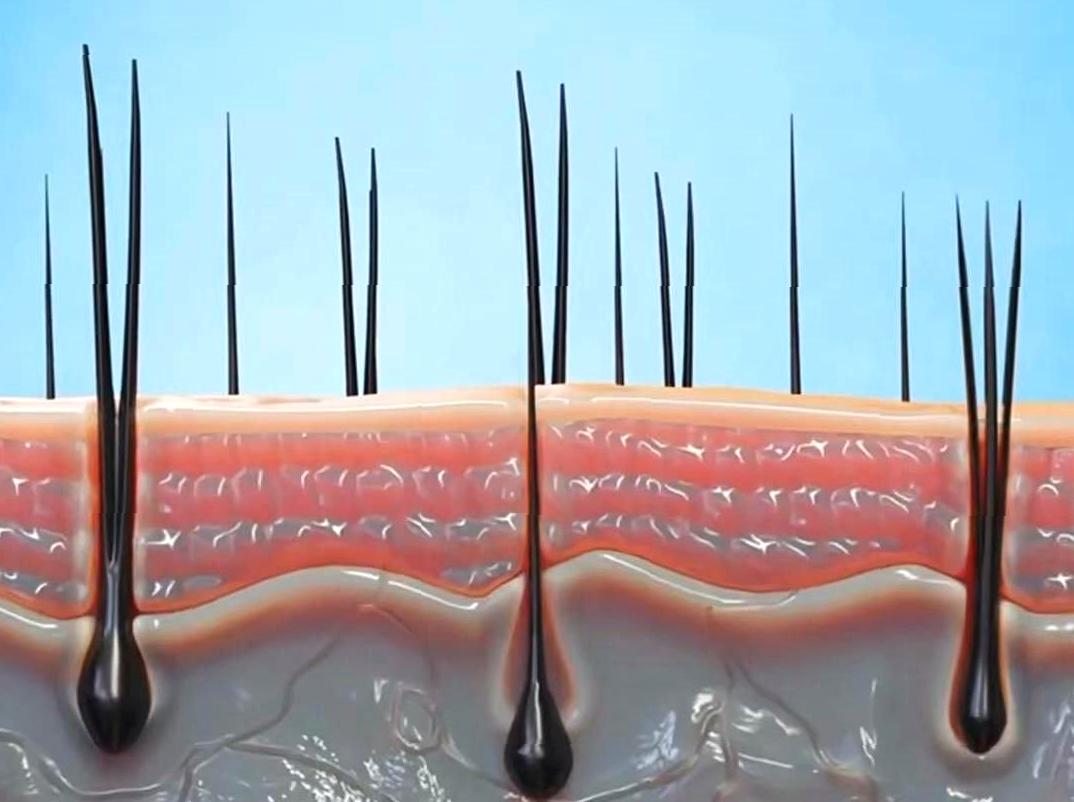
The science behind hair growth is fundamental to understanding how permanent hair removal functions. Hair grows in cycles: anagen (growth), catagen (transition), and telogen (resting). Permanent hair removal techniques target the hair in the anagen phase, when it is actively growing. For example, laser hair removal emits concentrated light to damage hair follicles while sparing surrounding skin. Similarly, electrolysis delivers a small electrical current directly to the hair follicle, effectively destroying it. It’s crucial to have a thorough grasp of these processes, as they determine the type of method that will be most effective for you.

Common Methods of Permanent Hair Removal
Laser hair removal is one of the most widely recognized methods for achieving permanent results. This technique uses specific wavelengths of light to target and damage hair follicles, effectively reducing hair growth over time. Various types of lasers are available, including Alexandrite, Diode, and Nd:YAG, each designed for different skin tones and hair types. While most people report satisfactory results, it’s essential to consider factors like skin sensitivity and hair color when evaluating its safety and effectiveness. Typically, several sessions are needed to achieve the desired level of hair reduction, and although side effects like redness or swelling are common, they are generally temporary. Ultimately, individuals looking for a longer-term solution often find laser hair removal to be a viable option.
Electrolysis
Electrolysis is another popular choice for those seeking permanent hair removal. This method uses a tiny probe inserted into each hair follicle, delivering an electrical current to destroy the follicle’s capacity to grow hair. It is the only FDA-approved method for permanent hair removal, and its benefits include effectiveness on any hair type or color. However, electrolysis can be time-consuming, often requiring multiple sessions depending on the treated area and hair density. Common side effects include slight discomfort and redness, but these typically resolve quickly. For individuals who prefer a method that works on every type of hair and skin, electrolysis remains a highly effective and reliable solution.
| Method | Effectiveness | Skin Types | Session Duration |
|---|---|---|---|
| Laser Hair Removal | Long-lasting (permanent hair reduction) | Generally effective for light to dark skin | 30-60 minutes |
| Electrolysis | Permanent hair removal | Effective on all skin and hair types | 15-60 minutes per follicle |
| Intense Pulsed Light (IPL) | Long-lasting (not as effective as laser for all types) | Best suited for lighter skin tones | 30-90 minutes |
Intense Pulsed Light (IPL)
Intense Pulsed Light (IPL) is often compared to laser hair removal for its light-based technology, but it utilizes broad-spectrum light rather than a single wavelength. This flexibility allows it to cover larger treatment areas more quickly, making sessions generally shorter. However, IPL may not be as effective on light or fine hair, particularly for individuals with darker skin tones. Similar to laser hair removal, multiple sessions are typically needed to achieve the best results. As always, it’s wise to consult with skilled professionals to determine whether IPL aligns with your hair and skin characteristics. With a growing interest in IPL options, many people are finding it can be a viable alternative to traditional methods.
Other Emerging Methods
Aside from established techniques, new technologies are emerging in the field of permanent hair removal. Innovations such as ultrasound and radiofrequency are being explored for their potential to target hair follicles effectively. Early-stage studies indicate promising results, but these methods require further research and clinical trials to establish their safety and long-term effectiveness. Given the rapidly evolving landscape of hair removal options, staying informed about these innovations can help individuals make educated decisions regarding their treatment plans. As these methods gain more traction, they could soon become mainstream options for those seeking permanent hair removal solutions.
Evaluating Effectiveness of Permanent Hair Removal Methods
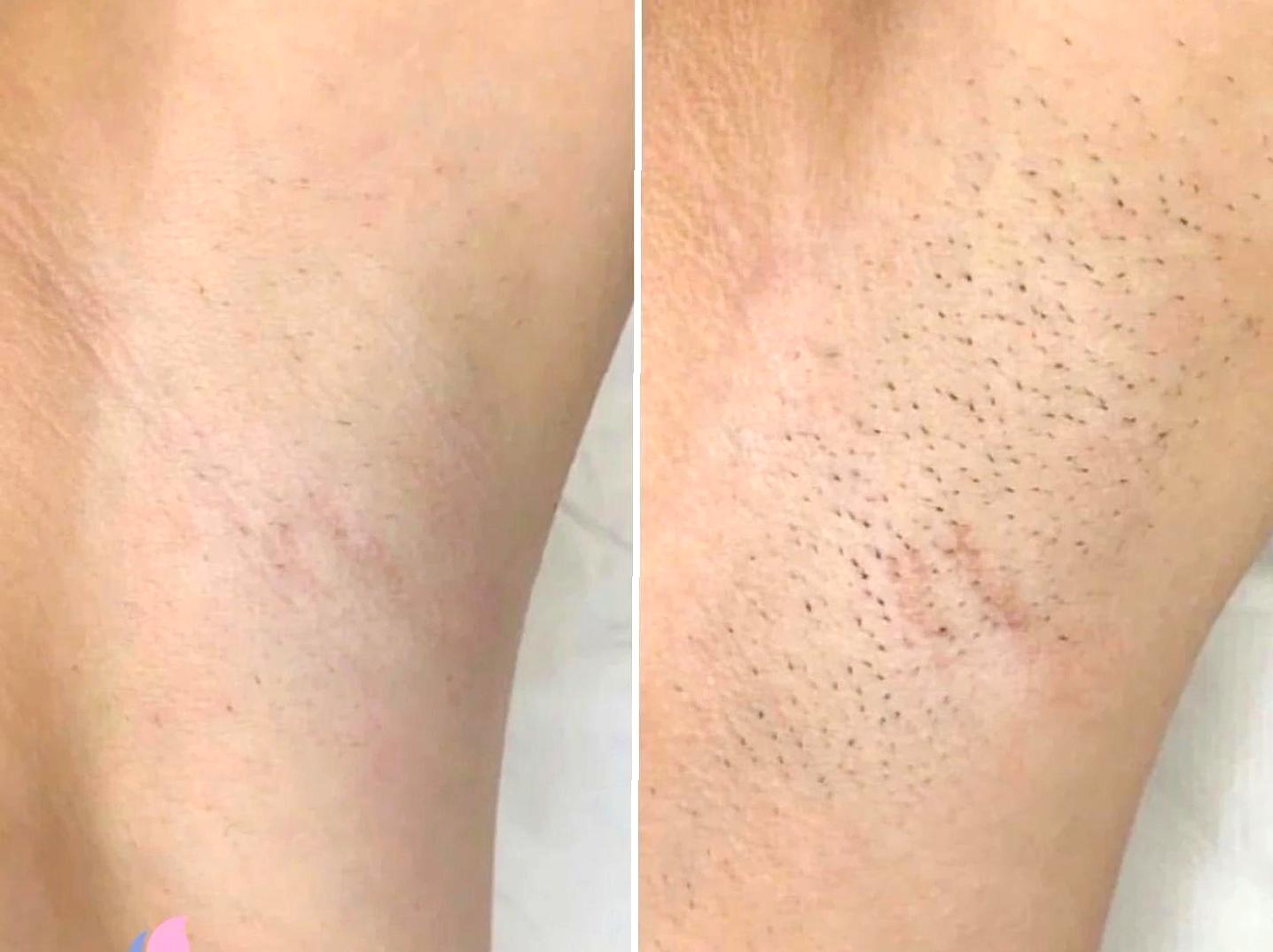
Several factors can influence the effectiveness of permanent hair removal methods. First and foremost, skin type and hair color play a significant role; darker hair and lighter skin tend to yield the best results with laser treatments. Additionally, the area being treated and the skill of the practitioner can impact outcomes. Individual response varies, as some people may find their hair regrowth slower or faster than others. When considering permanent hair removal, it is wise to evaluate all influencing factors thoroughly. Proper research and consultations can lead to a tailored treatment plan maximizing the effectiveness of the chosen method.
Duration of Results
The longevity of results depends on the method used; laser hair removal typically offers long-lasting results, with some individuals experiencing years before regrowth occurs. On the other hand, electrolysis aims for permanent hair removal but may require periodic maintenance treatments after the initial sessions. Aftercare is essential for all methods, as following professional recommendations can significantly enhance results. Regular skin assessment and adjustments in treatment based on individual responses will also ensure that the results remain optimal. Understanding these aspects is crucial for anyone investing in permanent hair removal, ensuring that your efforts yield fruits in the long run.
Potential Risks and Considerations
Like any cosmetic procedure, permanent hair removal methods come with associated risks and potential side effects. Common experiences may include temporary redness, swelling, or slight discomfort in the treated areas. In rare cases, individuals might encounter pigmentation changes or scarring, particularly if the procedure is performed improperly. Hence, it’s vital to choose qualified professionals who adhere to safety protocols. Before undergoing any treatment, ensure you understand the risks and are adequately informed about the potential for complications. Being proactive about safety can significantly mitigate any adverse experiences during your hair removal journey.
Choosing the Right Method for You
Personal considerations play a crucial role in selecting the suitable method for permanent hair removal. Factors such as your budget, pain tolerance, and desired results should guide your decision-making process. Each method has its pros and cons, and understanding these will help you make an informed choice. Consulting with a professional can provide tailored advice based on your unique circumstances, allowing you to weigh the benefits and drawbacks of each option accurately. Ultimately, selecting the right permanent hair removal method is about aligning your expectations with realistic outcomes, ensuring a satisfying experience.

Conclusion
In conclusion, exploring methods of permanent hair removal is essential for anyone looking to reduce grooming time and achieve lasting results. From laser treatments to electrolysis and emerging technologies, each approach offers distinct advantages and considerations. Factors influencing effectiveness, such as skin type and practitioner skill, must be understood to ensure the best results. Always weigh the potential risks and follow through with aftercare recommendations for optimal outcomes. As you move forward in your hair removal journey, informed decisions will empower you to select the right method and enjoy the confidence that comes with smoother skin.
FAQs
A1: While laser hair removal can be effective for various skin types, individuals with light hair and dark skin may see reduced effectiveness. Consulting a professional can help determine the best options based on your skin and hair type.
Q2: How many sessions are typically required for permanent hair removal?
A2: Most methods require multiple sessions for optimal results, commonly ranging from 5 to 10 sessions, depending on hair thickness and the targeted area.
Q3: Can electrolysis work on all hair colors?
A3: Yes, electrolysis is effective on all hair colors, including light and fine hairs, making it a versatile option for permanent hair removal.
Q4: What should I expect during a hair removal session?
A4: During a session, you may experience some discomfort similar to a snapping sensation. Professionals usually take measures to minimize pain, such as using cooling gels or numbing creams.
Q5: Are results guaranteed with permanent hair removal methods?
A5: While many people achieve significant hair reduction, results can vary based on individual factors. It’s essential to have realistic expectations and follow aftercare instructions for the best outcome.