Microblading and feathering are often mentioned in the same breath, leading many to question whether they are simply different names for the same technique. While both involve semi-permanent eyebrow enhancements and share similar goals of achieving natural-looking brows, they are distinct procedures with unique methodologies and outcomes. Understanding these differences can help individuals make informed decisions about which technique best suits their aesthetic desires.
Understanding Microblading
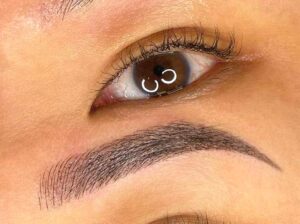
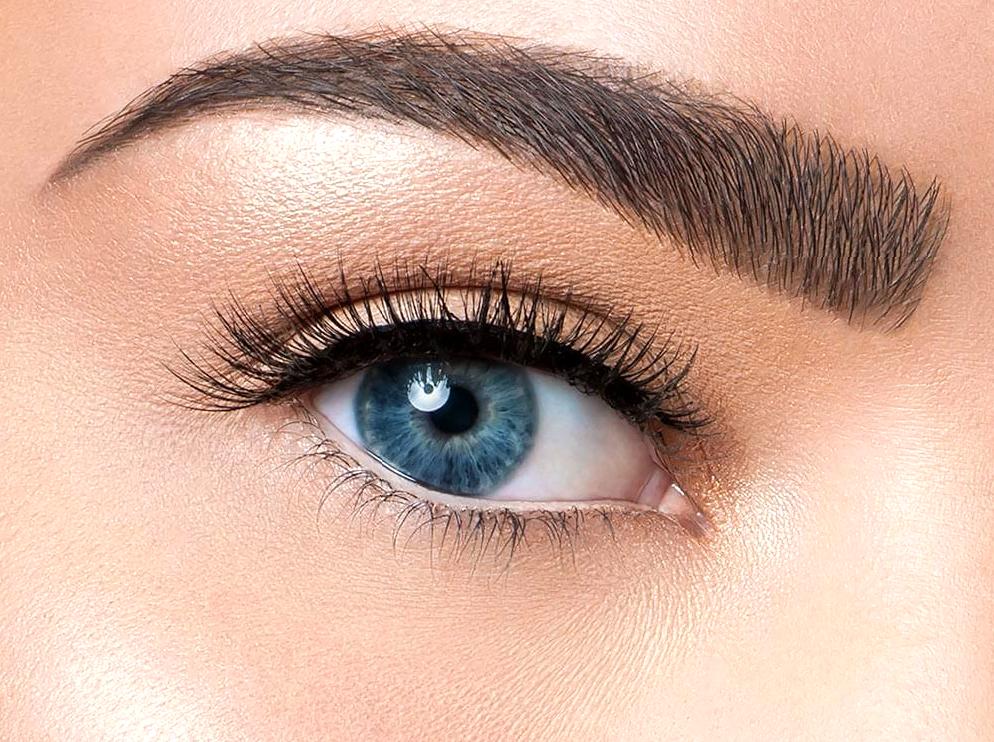
Microblading is a type of semi-permanent tattooing designed to create the illusion of fuller eyebrows. This method utilizes a handheld tool with ultra-fine needles to deposit pigment into the skin, mimicking the appearance of hair strokes. The results are defined and clean, suitable for those looking to fill in sparse brows or create a completely new brow shape. Typically, the procedure takes around 2 hours, including the application of numbing cream for comfort, and the results can last anywhere from 1 to 3 years, depending on skin type and aftercare.
Microblading is especially popular because it offers a specific aesthetic appeal, providing sharp, precise lines that resemble natural hair. Maintenance after the initial procedure often consists of touch-ups, usually scheduled after 6 to 8 weeks, to ensure that the color settles evenly and to evaluate the healing process. Considering its commitment, candidates should choose experienced technicians who understand color theory and skin anatomy to achieve the best outcomes. Overall, microblading caters to those seeking bold and defined brows.
Exploring Feathering Technique
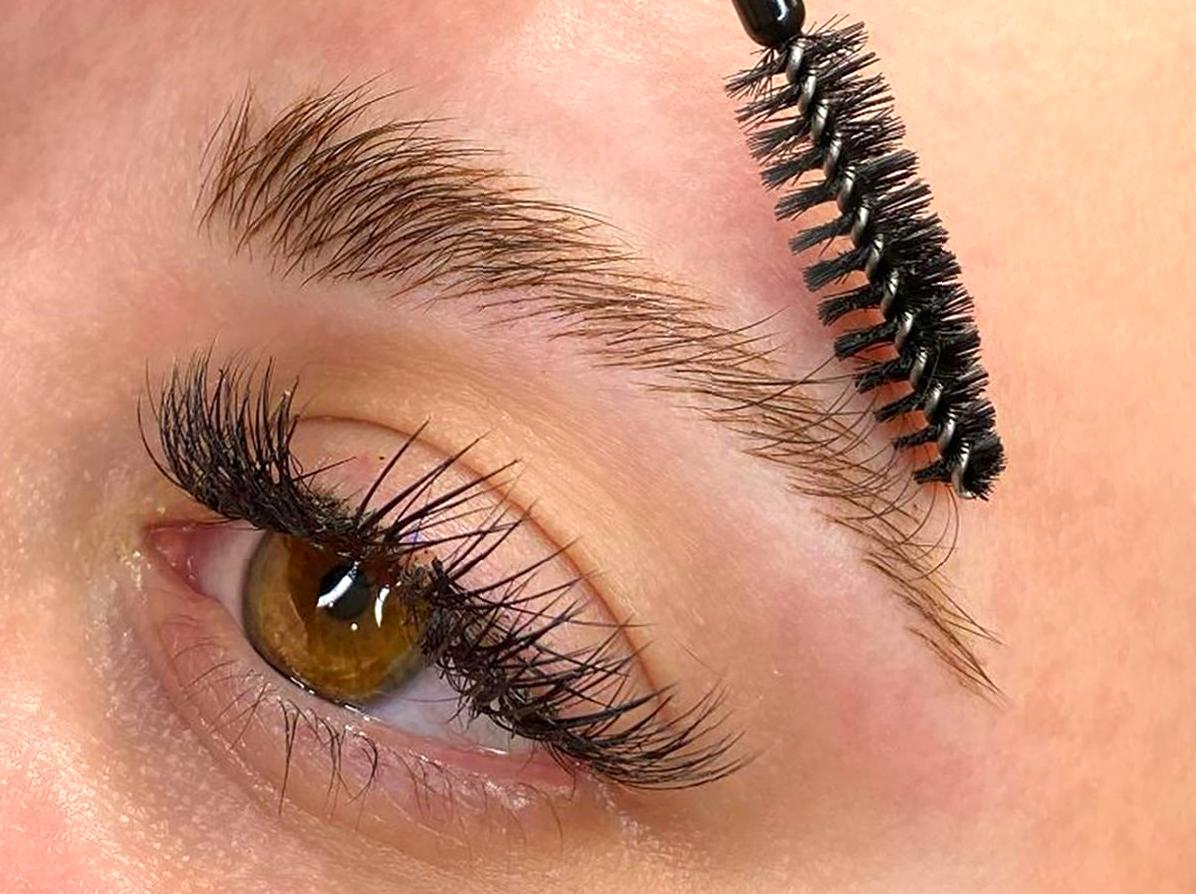
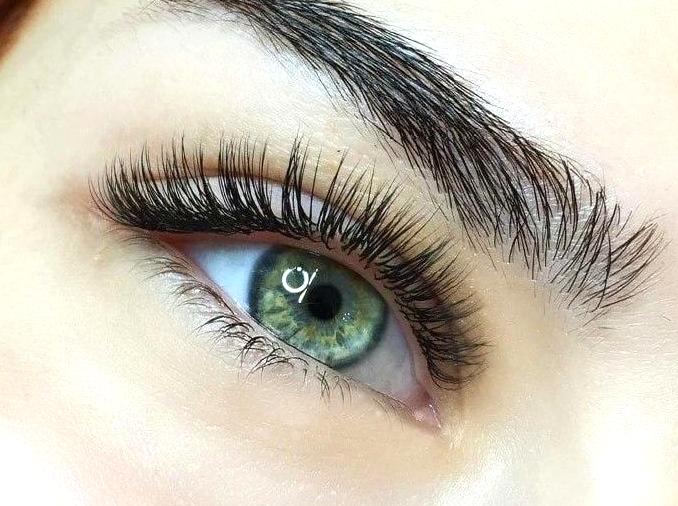
Feathering, often referred to as “feathered brows,” is a softer, more blended approach to eyebrow enhancement. Like microblading, it also uses a manual technique but typically employs a different tool and pigment application method. Feathering creates delicate, hair-like strokes but focuses more on achieving a soft look rather than the sharp lines characteristic of microblading. This gentler aesthetic can result in brows that appear more natural and fluffy while still enhancing the overall shape.
The feathering technique also allows for greater flexibility as it can be applied to existing natural brows to enhance their shape or to create an entirely new brow design. It often uses lighter pigments, lending a more airy effect that blends seamlessly with the natural hair. The longevity of feathered brows is similar to that of microblading, lasting from 1 to 3 years, depending on individual factors. A promising approach for those who desire a softer, more natural finish, feathering is ideal for those who aren’t looking for a heavily defined brow. In addition, aftercare requirements are comparable, emphasizing the importance of protecting the brows during the healing process.

Key Differences Between Microblading and Feathering
While both microblading and feathering aim to enhance the eyebrows, understanding their key differences can help individuals choose the method that aligns with their preferences. Below are the primary distinctions between the two techniques:
- Technique: Microblading uses a handheld microblade tool with multiple needles to create precise strokes, while feathering employs a softer approach with a different technique and less pronounced strokes.
- Results: Microblading typically provides a bolder and more defined look, whereas feathering offers a more subtle and natural appearance.
- Depth of Pigment: Microblading deposits pigment deeper into the skin compared to feathering, which places pigment closer to the surface.
- Ideal Candidates: Microblading is ideal for those wanting structurally refined brows, while feathering suits those desiring a softer, effortless finish.
- Pigment Colors: Microblading uses a broader range of pigments for extreme definition, while feathering often employs lighter shades for a more blended effect.
Choosing the Right Technique for You
Deciding between microblading and feathering largely depends on personal preferences and lifestyle. If you have sparse or uneven brows and desire a structured, bold look, microblading might be your best option. However, if you’re after a softer, natural appearance that forgoes defined lines, feathering is worth considering. Consulting with a trained professional can provide valuable insights based on your skin type, brow shape, and personal preferences. Whenever considering semi-permanent makeup, always prioritize an experienced aesthetician to ensure quality results.
In addition to these factors, it is crucial to think about the maintenance involved. Both techniques require regular touch-ups to keep the color and shape intact, so evaluate how much time and money you’re willing to invest in your brows over time. Understanding your aesthetic goals and lifestyle will enable you to choose the method that can best enhance your natural beauty.
Conclusion
In summary, while microblading and feathering are both effective eyebrow enhancement techniques that provide lasting results, they manifest distinctively in style and application. Microblading is geared towards those wanting strikingly defined brows, whereas feathering serves individuals preferring a softer, more natural look. Ultimately, the choice boils down to personal preferences, so it is advisable to consult with a skilled technician who can guide you through the process ensuring you achieve the desired outcome.
FAQs
Microblading typically lasts between 1 to 3 years, depending on skin type and proper aftercare.
2. Is feathering painful?
Most clients report minimal discomfort during feathering due to the application of numbing cream before the procedure.
3. Can I get feathering after microblading?
Yes, you can have feathering done over already microbladed brows for a softer look, but it’s essential to consult with a professional before proceeding.
4. What should I avoid after microblading or feathering?
After either procedure, avoid excessive moisture, makeup, sun exposure, and touching your brows to ensure proper healing.
5. How do I choose the right aesthetician for the procedure?
Researching reviews, viewing before-and-after portfolios, and ensuring they are certified can help you find a qualified aesthetician.